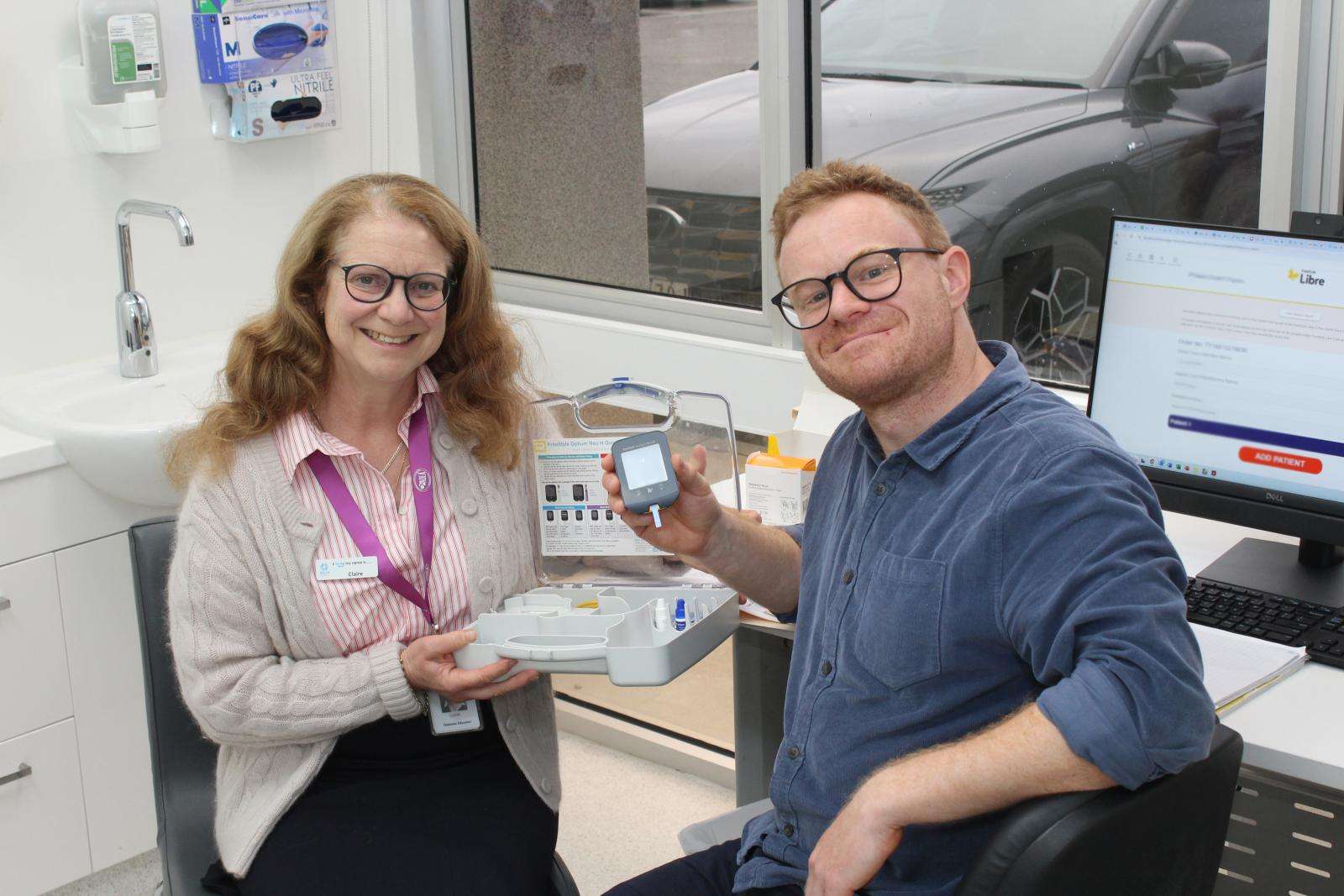
Diabetes experts from Bayside Health are reminding the community how important regular check-ups are in managing and living well with the chronic disease.
Credentialled Diabetes Educator Andrea Curtis, Leongatha Memorial Hospital, said consultations with Diabetes Educators enable complications to be detected early.
“Diabetes complications can lead to serious health impacts but this risk can be reduced through consulting your Diabetes Educator,” she said.
“Diabetes Educators can advise about how a holistic approach to managing diabetes, through nutrition, education, medication and exercise, can play a significant role in helping people live full and healthy lives.
“By accessing the right support, including linking in with new technologies and therapies, people with diabetes can go on to successfully self-manage the condition.”
Bayside Health’s regional Diabetes Education team offers people with diabetes a comprehensive service, close to home, enhancing quality of life for them and their carers.
Based at Leongatha, Korumburra, Kooweerup, Wonthaggi and Phillip Island Community hospitals, clinicians support patients with the management of their diabetes through providing self-management education to support lifestyle changes, monitoring blood glucose levels and medication management.
The service includes consultations with a Diabetes Educator and is available for anyone with diabetes (types 1, 2 and others), pre-diabetes, gestational diabetes and at high risk of diabetes. Alongside their clinical work, Diabetes Educators have an important advocacy role, such as through addressing diabetes stigma, and advocating for increased subsidised access to diabetes technologies and improved access to diabetes care and education.
Kooweerup Hospital provides a fortnightly outreach diabetes clinic serviced by endocrinologists from Monash Health.
Additionally, Leongatha Memorial Hospital offers a children’s diabetes service that gives families access to a variety of services and education in a caring and child-focused manner, offering specialised care from a visiting Endocrinologist and Paediatrician.
Andrea said people over 40 should be screened for diabetes by their GP at least every three years, or more often if they have additional risk factors.
“Symptoms such as passing urine more often, blurred vision, increased thirst and hunger, fatigue or recurrent or persistent infections, should be discussed with your local GP,” she said.
More information about Bayside Health’s regional diabetes services, including how to access these, can be found online:
• Children’s diabetes service at Leongatha Memorial Hospital: baysidehealth.org.au/services/childrens-diabetes-service-leongatha-hospital
• Diabetes education at Leongatha Memorial Hospital and Korumburra Hospital: baysidehealth.org.au/services/diabetes-education-leongatha-hospital
• Diabetes education at Kooweerup Hospital: baysidehealth.org.au/services/diabetes-education-kooweerup-hospital
• Diabetes education at Wonthaggi Hospital and Phillip Island Community Hospital: basscoasthealth.org.au/diabetes-education